Highly Sensitive Child vs Autism: Key Differences

Is a Highly Sensitive Child Autism?
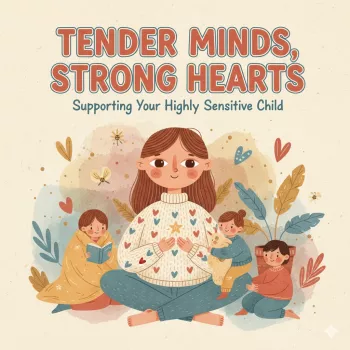
A highly sensitive child (often called an HSC) is not automatically autistic. High sensitivity is a temperament trait that affects how strongly a child notices, processes, and reacts to sensory input and emotions. Autism spectrum disorder (ASD) is a neurodevelopmental condition that involves differences in social communication and restricted or repetitive patterns of behavior, interests, or activities.
Why they can look similar
Some behaviors overlap. Both highly sensitive kids and autistic kids may dislike loud noises, feel overwhelmed in busy environments, struggle with sudden changes, or need downtime after social situations. A child who covers their ears, melts down in crowded places, or avoids scratchy clothing may be showing sensory sensitivity—which can occur with or without autism.
Key differences parents often notice
Highly sensitive children typically seek connection and pick up on subtle social cues, even if they feel easily overstimulated. They may show strong empathy, feel distressed when others are upset, and respond well to reassurance once they’ve calmed down.
Autism is more likely when challenges extend beyond sensitivity to include persistent differences in social reciprocity (like back-and-forth interaction), nonverbal communication (eye contact, gestures), and flexible play, alongside repetitive behaviors or highly fixed interests. These patterns tend to be consistent across settings and over time.
When to consider an evaluation
If sensitivity comes with ongoing communication delays, difficulty understanding social cues, repetitive movements, intense distress with minor routine changes, or significant impact on daily life (school, friendships, self-care), a professional assessment can be helpful. A pediatrician can guide next steps, and evaluations are commonly done by developmental pediatricians, psychologists, or multidisciplinary teams.
What helps either way
Predictable routines, gentle transitions, sensory breaks, and clear, calm language support many kids. Tracking triggers (noise, hunger, crowded rooms) and teaching coping tools (deep breathing, quiet corner, headphones) can reduce overwhelm.
For a deeper comparison and practical examples, visit https://nurserysquad.shop/is-highly-sensitive-child-autism/.
FAQ
How can I support a highly sensitive child at home?
Keep routines predictable, give advance warnings before transitions, and build in quiet recovery time after stimulating activities. Offer choices to increase a sense of control and teach simple calming skills like slow breathing or taking a short break in a low-noise space.










Leave a comment