Signs Your Child Is Highly Sensitive (HSC) + Help

How to tell if your child is highly sensitive?
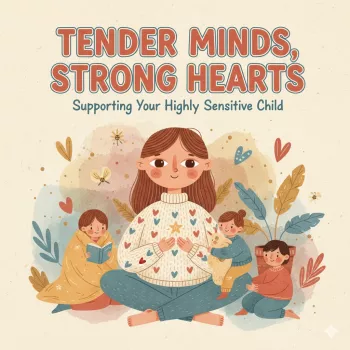
A highly sensitive child (often called an HSC) tends to notice more, feel more, and react more strongly to what’s happening around them. Sensitivity isn’t a disorder or a flaw—it’s a temperament trait. Many highly sensitive kids are thoughtful, empathetic, and creative, but they can also get overwhelmed faster than their peers.
Common signs of a highly sensitive child
Look for consistent patterns across settings (home, school, activities), not a single tough day. Your child may be highly sensitive if they often:
- React strongly to loud noises, scratchy fabrics, bright lights, or strong smells
- Become overwhelmed in busy places (parties, stores, crowded classrooms)
- Need extra time to warm up to new people, transitions, or unfamiliar routines
- Pick up on subtle details others miss (tone of voice, small changes in environment)
- Feel deeply about fairness, animals, or others’ emotions
- Get easily startled or dislike being rushed
- Have big feelings after a long day, even if they “held it together” at school
How sensitivity can look different by age
In toddlers, sensitivity may show up as frequent meltdowns after outings, clinginess in new situations, or strong resistance to sensory discomfort. In school-age kids, it can look like perfectionism, worry about making mistakes, needing quiet recovery time, or taking feedback very personally. Teens may seem private, emotionally intense, or exhausted by social and academic pressure.
What helps highly sensitive kids thrive
Support usually works best when it lowers overwhelm before it peaks. Try predictable routines, calm warnings before transitions, and a quiet “reset” space. Validate feelings (“That was a lot of noise”) while teaching coping tools like deep breathing, breaks, and words for emotions. If sensitivity is causing persistent distress, sleep problems, or school refusal, a pediatrician or child therapist can help rule out anxiety or sensory processing challenges.
For a deeper checklist and practical tips, visit How to Tell If Your Child Is Highly Sensitive.
FAQ
Can a highly sensitive child grow out of it?
Many kids stay sensitive, but they usually get better at coping as their brain matures and they learn strategies. With supportive routines and skills, sensitivity often becomes a strength rather than a daily struggle.










Leave a comment