Insulated Thermal Lunch Bag Tips for Fresh Meals On-the-Go
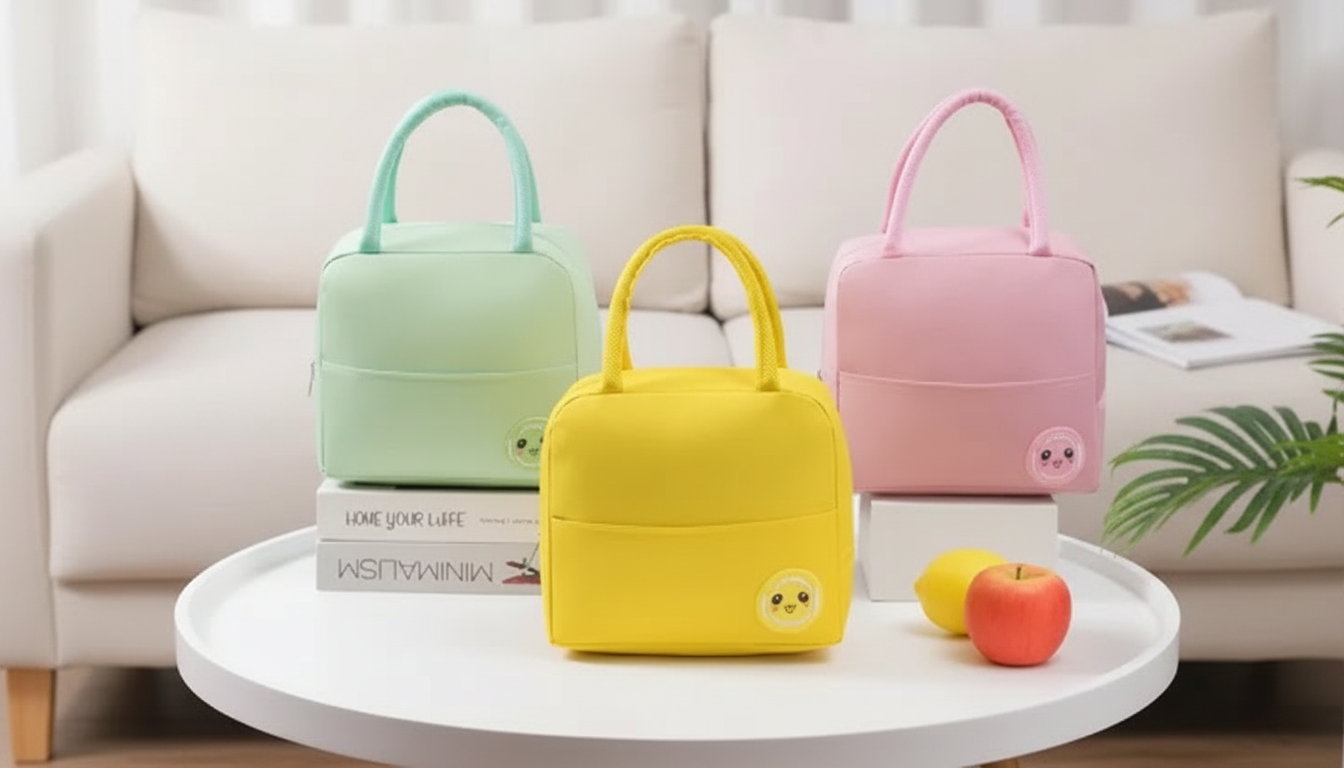
Insulated Thermal Lunch Bag: Keep Meals Fresh for School, Work, and Day Trips
A reliable insulated lunch bag helps keep food at safer temperatures longer and makes packing easier for busy mornings. Whether you’re sending lunch to school, commuting to the office, or heading out for a day trip, a well-made bag (plus a few smart packing habits) can protect textures, reduce spills, and cut down on last-minute food stress.
Food safety matters, too: perishable foods shouldn’t sit for long in the “danger zone” between 40°F and 140°F. For reference, see the USDA Food Safety and Inspection Service and the CDC food safety guidance for lunches and picnics.
Why an insulated lunch bag matters for everyday meals
Insulation isn’t just a “nice extra.” It supports better day-to-day routines and helps protect the foods that are most likely to spoil or get unappetizing on the go.
- Supports better temperature control for perishable foods like yogurt, deli meats, cooked grains, and cut fruit—especially when paired with an ice pack.
- Helps prevent soggy textures by keeping cold items together and containing condensation so crackers, chips, and baked snacks stay crisp.
- Makes routines simpler for school drop-offs, office commutes, stroller walks, and errands with kids—grab, go, and you’re set.
- Works for cold or warm setups: add an ice pack for cold lunches, or use a pre-warmed insulated container for warm foods.
Quick look: Insulated Thermal Lunch Bag
If you need a compact, everyday lunch carrier, the Insulated Thermal Lunch Bag is designed for grab-and-go use and simple meal packing.
- Made for a single meal set (main container + snacks) in a compact shape that’s easy to carry.
- Insulated lining helps slow temperature changes during commutes and outings.
- Lightweight and easy to stash in a backpack, diaper bag, or tote for busy days.
- Budget-friendly for families who want more than one lunch bag in rotation.
At-a-glance checklist for a good lunch bag
| Feature | Why it helps | What to look for |
|---|---|---|
| Insulation | Slows warming/cooling so food stays closer to the intended temperature | Insulated lining + room for an ice pack |
| Leak resistance | Reduces mess from spills and condensation | Wipeable interior; seams that don’t trap liquids |
| Size & shape | Fits your usual containers without crushing | Space for a main box, snack, and drink |
| Closure | Keeps cold air in and helps prevent tipping | Secure zipper or strong flap closure |
| Ease of cleaning | Encourages daily use without lingering odors | Smooth liner; quick wipe-down |
| Carry comfort | Makes it easier to take along consistently | Handle or strap; lightweight build |
What to pack: simple combinations that travel well
Great lunches travel well when they’re built around stable textures and packed with moisture control in mind. These combinations work for kids and adults, with easy swaps based on preferences.
- Cold lunch idea: sandwich or wrap + fruit + crunchy snack. Add a small ice pack to keep fillings fresher and reduce mayo/cheese worries.
- Bento-style idea: cheese cubes, crackers, berries, and veggies. Use separate compartments so juicy foods don’t soften crackers.
- Warm lunch idea: pasta, rice bowls, or soup in a thermos. Preheat the thermos with hot water for a few minutes, then fill and seal.
- Allergen-aware packing: keep nut-free items separate and label containers to match school policies and reduce mix-ups.
- Toddler-friendly packing: bite-size pieces, familiar textures, and a backup snack to prevent hunger-driven meltdowns.
Don’t forget drinks. A smaller, easy-grip option like the Leakproof Silicone Sippy Cup for Babies and Toddlers with Straw – 150ml can help limit spills inside bags and car seats while keeping water close at hand.
How to keep food colder (or warmer) for longer
Insulation works best when you treat the bag as a “helper,” not the only line of defense. A few small choices can noticeably improve how long food stays closer to the right temperature.
Cleaning and care: keep it fresh week after week
Common use cases: school, work, daycare, and travel days
- School: easy to tuck into backpacks; pair with an ice pack for lunches that sit until midday.
- Daycare: label the bag and containers; keep a spare snack inside for unexpected late pickups.
- Work: pack a meal and skip last-minute takeout; keep utensils and napkins in a small pouch.
- Outdoor errands and day trips: helps protect food from hot cars and warm playground afternoons.
- Postpartum and new-parent routines: having a ready meal close can make long days out feel more manageable. For additional support, the Your Fast-Track Guide to Postpartum Recovery is a practical resource to keep on your phone for quick reference.
FAQ
How long will an insulated lunch bag keep food cold?
It depends on how cold the food starts, the bag’s insulation, how often it’s opened, and whether you use an ice pack. For most everyday commutes, an ice pack plus pre-chilled food can keep items cold for several hours, but perishables should always be packed with active cooling when they’ll sit until lunchtime.
Can an insulated lunch bag be used for warm food?
Yes, but the best results come from using a preheated thermos or insulated container. The bag helps slow temperature loss during transport, while the container does most of the heat retention.
How should an insulated lunch bag be cleaned after a spill?
Wipe it promptly with a cloth and mild soap plus warm water, then wipe again with a clean damp cloth and air-dry fully with the bag open. Check seams and corners where liquid can linger, and avoid soaking if the bag isn’t designed to be machine-washed.









Leave a comment