Stop Sibling Fights Fast: Scripts, Rules, Repair Steps
Turning Sibling Battles into Balance: Calm, Practical Steps for When Kids Fight All the Time
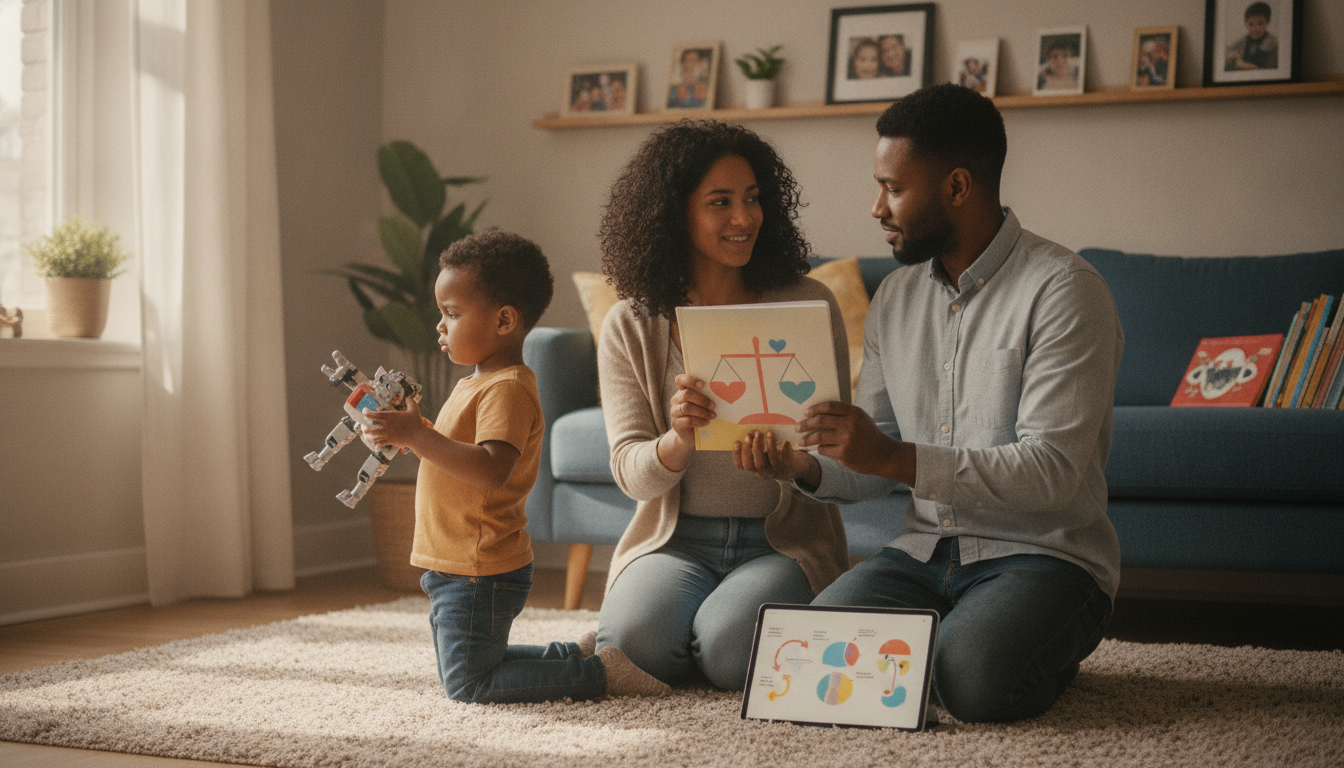
Sibling conflict can feel nonstop—grabbing, teasing, tattling, yelling, and the same argument on repeat. The goal isn’t to eliminate every disagreement, but to reduce harm, teach skills, and restore calm faster. When parents shift from “referee” to “coach,” kids learn what to do with frustration, unfairness, and big feelings in real time—and the whole house gets quieter more often.
What sibling fighting usually means (and what it doesn’t)
Most sibling fights aren’t proof that something is “wrong” with your family. Conflict often spikes during predictable pressure points: mornings, after school, bedtime, and right before meals. Those are times when bodies are tired, hungry, rushed, or overloaded—and small frustrations turn into big reactions.
Many fights are really about unmet needs rather than “bad behavior”: connection, autonomy, fairness, sensory overload, hunger, fatigue, or boredom. Repetitive patterns are also common (and surprisingly changeable): one child escalates with words, the other with hands; one is rigid, the other impulsive; one provokes, the other explodes. Siblings can love each other and still clash; the win is safer conflict with quicker recovery.
When conflict becomes constant, start by adjusting environment and teaching skills rather than stacking punishments. For general guidance on discipline that teaches (not just stops behavior), the American Academy of Pediatrics offers a helpful overview of positive discipline.
Common triggers and quick parent responses that lower heat
| Trigger | What it looks like | Quick response | Skill to teach later |
|---|---|---|---|
| Transition | Arguing when it’s time to leave/stop | Name the transition, give a 2-step choice, start a timer | Flexibility scripts and planning ahead |
| Perceived unfairness | “He got more!” “That’s not fair!” | Validate fairness concern, restate rule, offer a repair option | Negotiation and taking turns |
| Crowded space | Bumping, grabbing, loud voices | Separate bodies, reduce stimulation, give a “space reset” | Asking for space and respecting boundaries |
| Competing for attention | Interrupting, provoking, tattling | Brief connection to both, assign roles, schedule 1:1 time | Requesting attention with words |
| Hunger/tired | Meltdowns, impulsive hitting, crying | Snack/water, calm-down corner, earlier bedtime plan | Body cues and self-regulation |
A 60-second plan for the moment a fight starts
When the fight ignites, the fastest way to lower intensity is to keep your plan short and repeatable.
- Scan for safety first. Block hitting, move objects, create distance. Use fewer words and a steady tone.
- Separate roles from labels. Describe what happened without naming a “bad kid”: “Hands aren’t safe,” “Toys aren’t for throwing.”
- Use one calm script. “I won’t let you hurt each other. Step back. Breathe. I’ll help.”
- Stop the argument loop. Don’t investigate who started it while emotions are high; that usually fuels the courtroom vibe.
- Reset the environment. Different rooms or corners, water/snack, lower noise, dim lights if needed.
- Delay problem-solving. Wait until both can talk without yelling, threats, or sarcasm.
Teachable moments: coaching instead of refereeing
Once everyone’s nervous system is calmer, shift to coaching. Teach one skill at a time, not a full lecture.
- Pick one move to practice. “Ask for a turn,” “Use a stop phrase,” “Trade,” “Walk away,” or “Get help.”
- Use “both/and” language. “You’re upset AND you can’t grab.” This keeps empathy without removing limits.
- Role-play briefly during calm times. 30–90 seconds is enough: “Pretend I have the block you want. What can you say?” Then stop before it becomes annoying.
- Focus on outcomes. Safe bodies, respectful words, repairing harm, and making a plan for next time.
- Reinforce what worked. “You backed up when asked—thank you.” Specific praise teaches the exact behavior to repeat.
If your kids are in the toddler-to-preschool range, the CDC’s Essentials for Parenting supports the idea that consistent, teachable responses (plus routines) reduce repeat blowups.
House rules that reduce repeat battles
Fewer rules, stated clearly, usually work better than long lists that change depending on who’s upset.
One overlooked accelerant is hunger and thirst. A simple, spill-resistant water or milk option can lower background irritability—especially during transitions or car rides. The Leakproof Silicone Sippy Cup for Babies and Toddlers with Straw – 150ml is an easy “set it out and forget it” support for those high-friction hours.
Repair after conflict: the step most families skip
It can help to normalize what’s happening: “Sibling rivalry” is a known and common family dynamic (not a personal failure). The APA’s definition of sibling rivalry highlights how competition, jealousy, and attention needs often show up in everyday conflict.
Printable supports, visual aids, and AI-powered planning tools
For a ready-to-use set of visuals, scripts, and planning prompts, see Turning Sibling Battles into Balance (printable guide with AI tools and visual aids). If after-school hunger is a frequent trigger, building a predictable snack routine can help—an Insulated Thermal Lunch Bag makes it easier to keep a peace-saving snack available when schedules run long.
When to get extra support
FAQ
Should kids be separated every time they fight?
Separate them when safety is at risk or when emotions are too high to talk. Keep it short and neutral (a reset, not an exile), then return to a brief repair and one small skill practice once both are calm.
What if one sibling always starts it and the other always gets blamed?
Avoid “who started it” investigations in the heat of the moment; focus on stopping harm and restoring safety. Later, look for patterns, protect the targeted child, and hold each child accountable for their specific behavior with clear repair steps.
How can fighting be reduced without constant punishments?
Use structure (timers, turn-taking routines), visuals, and coaching scripts so kids know exactly what to do instead of what not to do. Pair that with logical outcomes (pause the contested item, reset space, restitution) and consistent repair after conflict.









Leave a comment