Reduce Parental Burnout: Micro-Resets & Simple Routines
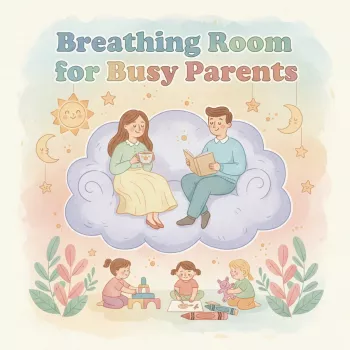
Breathing Room for Busy Parents: Practical Tips for Reducing Parental Burnout
Parental burnout builds when daily demands outpace recovery—sleep, support, and time to reset. Small, repeatable changes can create real breathing room without requiring a full lifestyle overhaul. The goal is to reduce pressure points, protect basic needs, and build routines that make hard days a little lighter.
What parental burnout can look like (and why it’s not a personal failure)
Parental burnout often shows up as chronic exhaustion, irritability, emotional numbness, feeling “on edge,” and a sense of being trapped by responsibilities. Unlike a rough day, burnout tends to stick around and can drain empathy, patience, and even the ability to enjoy the moments you used to like.
Common risk factors include sleep deprivation, lack of support, perfectionism, financial strain, high-conflict co-parenting, and caring for children with higher needs. When burnout hits, it helps to reframe it as a load-management problem: too many demands paired with too little recovery. That’s not a character flaw—it’s a systems issue that can be improved with small changes and steadier support. For broader context on stress and health, the American Psychological Association and the CDC both emphasize practical coping steps and the value of getting help early.
A quick self-check: needs first, then schedules
When everything feels urgent, start with three non-negotiables: (1) sleep opportunity, (2) food and hydration, and (3) a daily pause—even 3 to 10 minutes. Then define the “minimum viable day”: what must happen for safety, school/work essentials, and basic care. Everything else is optional.
Next, choose one pressure valve for the next 24 hours: simplify one meal, relax one cleanup standard, or drop one expectation. If you can, track patterns for a week—the toughest time of day (morning rush, dinner, bedtime) is usually the best target for change.
One-minute needs scan
| Check-in | Question | Tiny next step |
|---|---|---|
| Body | Have you eaten, had water, or used the bathroom? | Drink a glass of water; grab a protein snack; set a 5-minute meal plan. |
| Mind | Is your brain looping on a worry or to-do list? | Write the top 3 tasks; postpone the rest to tomorrow’s list. |
| Environment | Is clutter making everything harder? | Clear one surface (counter, table) for 2 minutes—stop when the timer ends. |
| Support | Do you need help today? | Text one person: “Can you do X this week?” or “Can you listen for 10 minutes?” |
Micro-resets that work even on chaotic days
Big self-care plans tend to collapse under real-life parenting. Micro-resets work because they’re small enough to repeat on the worst days.
- Use “bookend breaks”: 5 minutes before kids wake and 5 minutes after bedtime for quiet, stretching, or a shower.
- Try a nervous-system reset: longer exhales (inhale 4, exhale 6) for 2 minutes to reduce stress arousal.
- Stack a reset onto an existing habit: breathing while the kettle boils, shoulders-down check while washing hands.
- Create a “good enough” script: one sentence to reduce guilt, such as “Today needs simple, not perfect.”
Consistency matters more than intensity. Two minutes done often will usually beat 30 minutes done rarely.
Reduce daily friction: simplify decisions, not just tasks
Burnout isn’t only about the number of tasks—it’s also about how many decisions you’re forced to make while tired. Defaults reduce decision fatigue and help kids know what to expect.
If lunches are a daily stressor, packing the night before can remove a morning decision. An Insulated Thermal Lunch Bag can also help keep the “default lunch” predictable (and reduce last-minute scrambling).
For hydration battles and spills, streamline with one consistent cup in one consistent spot. A Leakproof Silicone Sippy Cup for Babies and Toddlers with Straw – 150ml can support the routine by cutting down on cleanup and mid-day frustration.
Boundaries that protect energy (without adding conflict)
Build a support map that doesn’t rely on emergencies
Make requests specific: “Can you pick up groceries on Tuesdays?” is easier to answer than “I need help.” If burnout includes hopelessness, rage that feels out of control, or thoughts of self-harm, reach out to a healthcare professional promptly. The World Health Organization highlights that mental health support is a core part of overall health, not a luxury.
A gentle 7-day reset plan (keep it realistic)
A practical guide to keep momentum on tough weeks
If you want a simple, parent-friendly reference you can revisit when things get loud and fast, the Breathing Room for Busy Parents Guide | Practical Tips for Reducing Parental Burnout is designed to support micro-habits, boundaries, and practical load-sharing that fits real family life.
FAQ
How do you know if it’s parental burnout or just a hard week?
A hard week usually improves after rest or a lighter weekend, while burnout is persistent exhaustion paired with irritability or emotional distancing that doesn’t bounce back. Track your hardest times of day for a week; if symptoms feel severe, escalating, or unsafe, seek professional support.
What is one small change that helps immediately when you’re overstimulated?
Try a 60-second reset: step into another room if it’s safe, then do longer-exhale breathing (inhale 4, exhale 6) for a few rounds. Pair it with a steady phrase like “Simple is enough today” to reduce escalation and return more calmly.
Can simplifying routines really reduce burnout?
Yes—defaults and predictable sequences reduce decision fatigue and cut down on daily conflict. Start with one routine (like a bedtime order or a two-lunch rotation) and repeat it long enough that it becomes automatic.











Leave a comment