Why Sippy Cups Are Discouraged for Toddlers
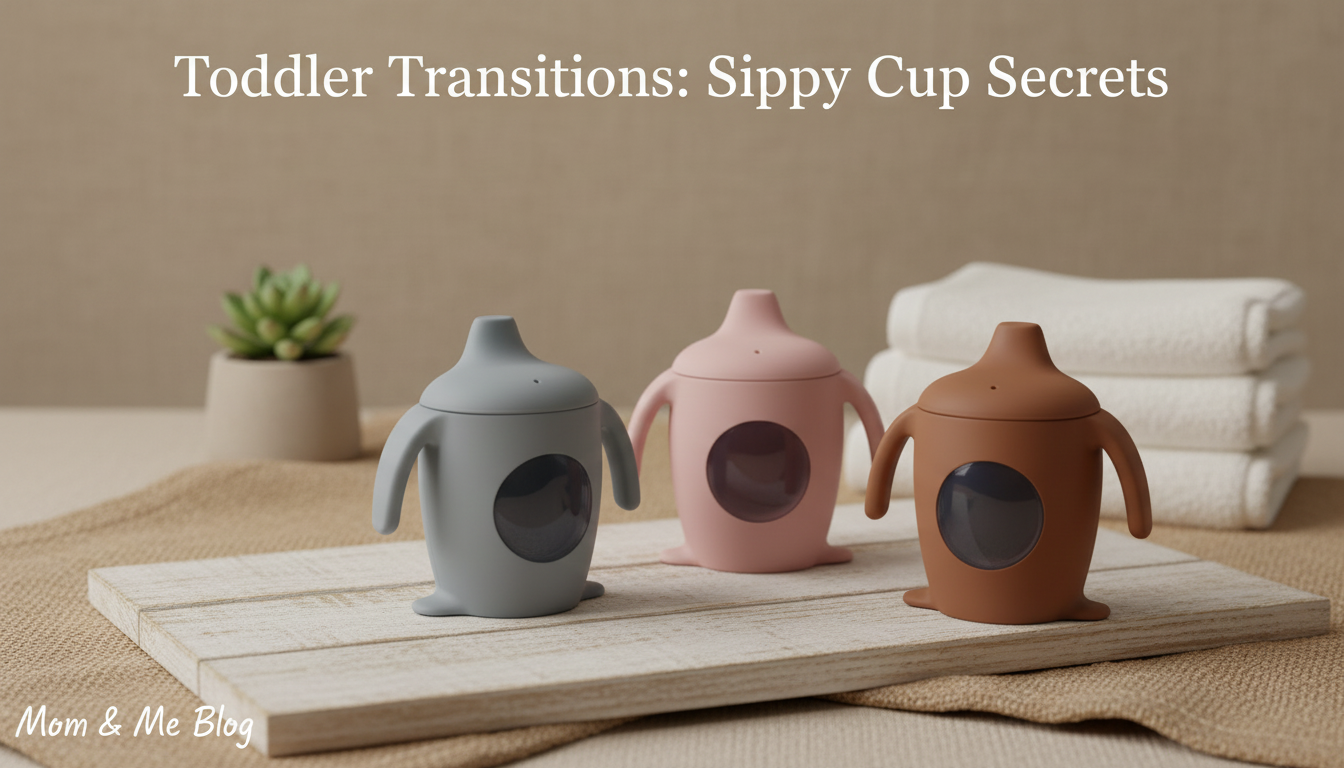
Why are sippy cups discouraged?
Sippy cups are often discouraged because they can quietly keep toddlers stuck in an “in-between” drinking pattern—neither baby-like nursing nor mature cup drinking. Many popular sippy cups require sucking on a spout, which can encourage the same oral motions used with bottles and pacifiers. Over time, that pattern may interfere with developing a more mature swallow and tongue placement.
Another concern is dental health. When a child carries a sippy cup around and takes frequent sips—especially of milk, juice, or sweetened drinks—teeth can be exposed to sugars and acids for long stretches. Even water in a “sip-all-day” habit can reinforce constant grazing and reduce natural saliva cycles that help protect enamel.
Speech and oral-motor development also come up in the discussion. Some children do fine with limited sippy cup use, but prolonged reliance on spouts may reduce opportunities to practice lip closure, tongue retraction, and controlled swallowing that come with open cups or straw cups. For kids who already have feeding or speech challenges, professionals may recommend skipping spouts altogether.
A practical drawback: “spill-proof” designs can lead to stronger suction demands. That extra effort may increase air intake for some kids, contributing to gassiness, and it can make the transition to regular cups feel harder than it needs to be.
For a deeper breakdown of the concerns and better alternatives, see the full guide here: https://nurserysquad.shop/why-are-sippy-cups-discouraged/.
For Why Sippy Cups Are Discouraged for Toddlers, the best answer depends on fit, material, care instructions, and how the product will be used day to day.
Checking those details first helps avoid a poor match and keeps the choice practical after delivery.
For Why Sippy Cups Are Discouraged for Toddlers, the best answer depends on fit, material, care instructions, and how the product will be used day to day.
FAQ
What can I use instead of a sippy cup?
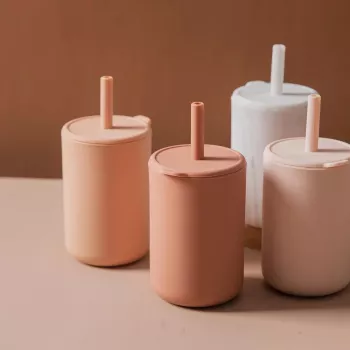
Straw cups and small open cups are common alternatives. They encourage more mature sipping skills while still being toddler-friendly when used with supervision and short practice sessions.











Leave a comment